
Apple’s iPhone 17 Launch Wipes Out $112 Billion in Market Value
Apple’s iPhone 17 Launch Triggers $112 Billion Market Value Drop Amid Investor Skepticism
New York, September 11, 2025 – Apple’s highly anticipated iPhone 17 launch, expected to excite both tech enthusiasts and Wall Street investors, fell short of expectations. Instead of unveiling a revolutionary product lineup, the event sparked skepticism, wiping out over $112 billion in Apple’s market capitalization within two days.
Stock Slide After Launch
The iPhone 17 family was officially revealed on September 9, 2025, but the investor response was swift and negative. Apple’s shares fell 1.5% on launch day, followed by a 3.23% drop the next day, closing at $226.79. This decline erased value equivalent to the entire market capitalization of Nike. While pre-market trading saw a modest rebound, analysts and investors expressed concerns over Apple’s perceived lag in innovation, particularly in the AI space.
Why Investors Are Disappointed
Incremental Updates, Not Breakthroughs
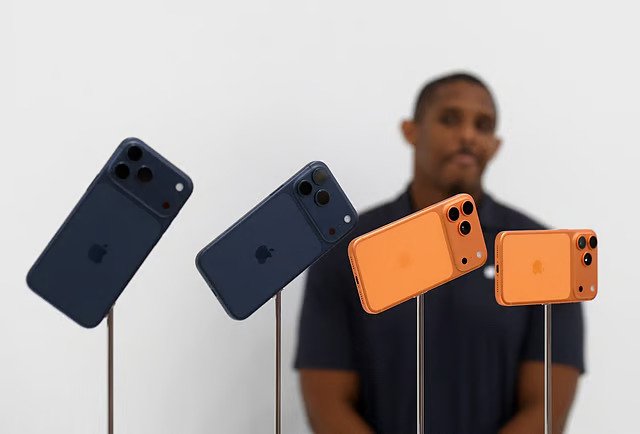
Apple’s iPhone 17 introduced slimmer designs, titanium frames, and enhanced durability. While the ultra-thin iPhone Air (5.6mm) impressed with style, the updates were largely cosmetic, failing to deliver a major technological leap.
AI Lag Hurts Confidence
A key disappointment was Apple’s delay of its major Siri overhaul until 2026. Competitors like Google, Samsung, and Microsoft have already made bold strides in AI, leaving investors worried that Apple is falling behind in the decade’s most critical tech race.
The “Sell-the-News” Effect
With details of the iPhone 17 leaked in advance, traders who had bought into pre-launch hype quickly sold shares once expectations were met, contributing to the stock decline.
Profit Margin Concerns
Apple announced it would absorb over $1 billion in tariffs instead of passing costs to consumers. While consumer-friendly, this move raised investor concerns about margin pressures.
Analysts Downgrade Apple
In response to the weak reception, major financial institutions downgraded Apple’s stock:
Phillip Securities: Neutral → Reduce, citing stretched valuation and rising costs.
DA Davidson: Buy → Neutral, warning that the iPhone 17 lacked innovation to drive strong upgrades.
Price targets were revised to $200 and $250, below current trading levels, signaling expectations of further downside.
Consumer Excitement vs. Investor Skepticism
Consumers remain intrigued. Tech influencer Gaurav Chaudhary praised the iPhone Air’s durability and pricing, while IDC noted competitive pricing could drive sales, particularly versus Samsung’s Galaxy S25 Edge.
However, Wall Street remained unconvinced. Features like a single camera on the Air and delayed AI upgrades reinforced the perception that Apple’s latest release is iterative rather than revolutionary.
Falling Behind Rivals
Apple’s stock is down 6.4% year-to-date, whereas competitors such as Microsoft and Nvidia have enjoyed double-digit growth fueled by AI success. Investors see this widening gap as a signal that Apple must redefine its innovation strategy.
Thomas Hayes of Great Hill Capital commented:
“Apple’s not really innovating… they’re still behind the eight ball on AI, and the market is skeptical.”
What’s Next for Apple?
For consumers, the iPhone 17 may still perform well during the holiday season due to strong branding, design appeal, and loyal customers. For investors, however, the company faces growing pressure to deliver truly groundbreaking products or catch up in AI, or risk continued market skepticism.
Conclusion
Apple’s iPhone 17 launch illustrates how high expectations can backfire. Sleek design and enhanced durability were overshadowed by lack of AI breakthroughs and profit margin concerns, leading to $112 billion in market value erased in two days. The lesson is clear: in today’s tech-driven market, style alone is no longer enough to sustain investor confidence.
Related News