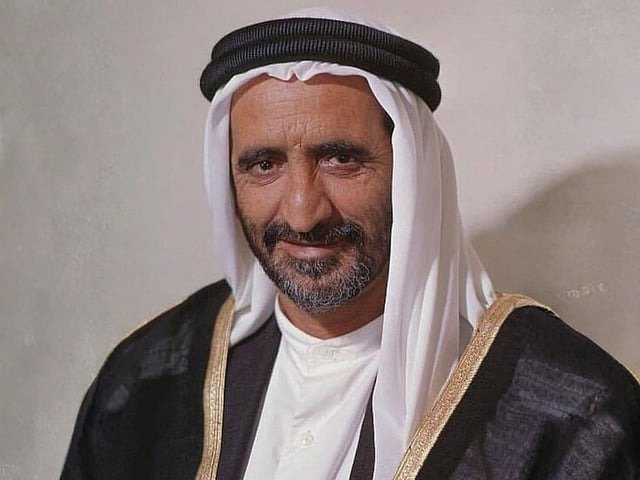
Remembering Sheikh Rashid bin Saeed: The Visionary Who Built the Foundations of Modern Dubai
Making history by turning the impossible into reality is the hallmark of great leaders — and Sheikh Rashid bin Saeed Al Maktoum (1912–1990) stands among the most extraordinary of them. Thirty-five years since his passing on October 7, 1990, his influence continues to shape every skyline, street, and success story of Dubai. His life’s work remains an enduring testament to vision, discipline, and boundless ambition.
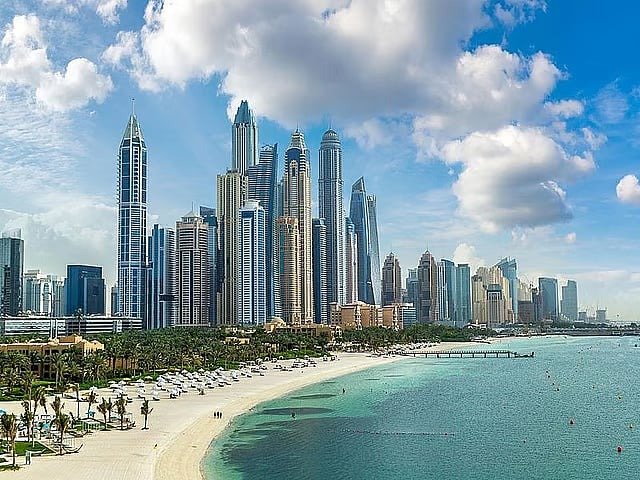
As the eighth ruler of the Al Maktoum family, Sheikh Rashid led Dubai from 1958 to 1990, overseeing its transformation from a modest trading town into a thriving modern city. A man of deep intellect, humility, and resolve, he combined generosity with foresight — building institutions, infrastructure, and a culture of progress that still defines Dubai today.
Early Vision: Foundations of Modern Governance (1939–1958)
Sheikh Rashid’s vision began long before he ascended to power. As Crown Prince in 1939, he took an active role in city affairs, modernizing governance and improving daily life.
1941: Established Dubai’s first Postal Office, improving communication and trade.
1949: Opened Al Maktoum Hospital, marking the beginning of organized healthcare in the emirate.
1954: Signed an agreement with the Imperial Bank of Iran to employ UAE nationals — an early step toward empowering the local workforce.
1958: Formed Dubai’s first Municipal Council, laying the groundwork for urban planning, sanitation, and civic infrastructure.
When Sheikh Rashid became ruler in 1958, he inherited a city with limited resources but unlimited potential. He famously warned that Dubai must plan for a future beyond oil, saying:
“My grandfather rode a camel, my father rode a camel, I drive a Mercedes, my son drives a Land Rover, his son will drive a Land Rover — but his son will ride a camel.”
This foresight would define his reign, steering Dubai toward economic diversification decades before it became a global model for sustainable development.
Architect of a Global City (1959–1983)
Sheikh Rashid’s genius lay in infrastructure — he understood that great cities are built on strong foundations. His era was marked by a wave of visionary projects that reshaped the emirate’s identity:
1959–60: Began the Dubai Creek Dredging Project, enabling larger vessels and boosting trade.
1960: Inaugurated Dubai International Airport, now among the world’s busiest.
1963: Opened Al Maktoum Bridge, linking Bur Dubai and Deira — the city’s first permanent crossing.
1963: Founded the National Bank of Dubai, the emirate’s first national financial institution.
1966: Oversaw the discovery of oil, channeling revenues into healthcare, education, and welfare rather than luxury.
1972: Completed Port Rashid, followed by Jebel Ali Port (1976–79) — today one of the largest man-made harbours in the world.
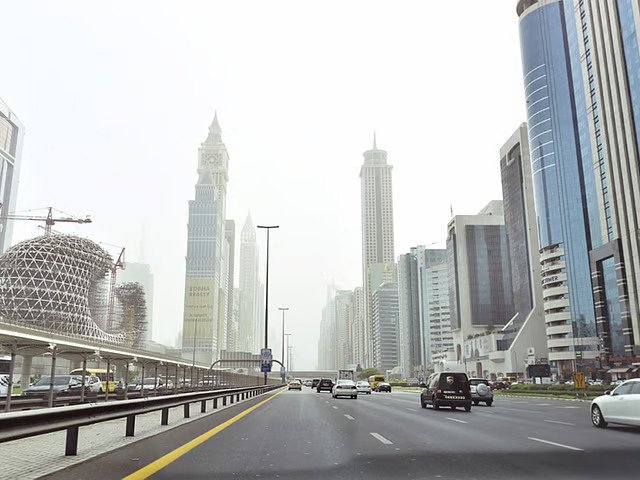
1978: Built the Dubai World Trade Centre, the first skyscraper on Sheikh Zayed Road and a symbol of Dubai’s future.
1983: Completed Dubai Drydocks, cementing Dubai’s place in the global maritime industry.
These landmark projects positioned Dubai as a regional leader in trade, logistics, and innovation long before globalization became a buzzword.
Architect of Unity: Building the Nation
Sheikh Rashid’s vision extended beyond Dubai’s borders. In 1968, he met Sheikh Zayed bin Sultan Al Nahyan at Saih Al Sadeera, on the Abu Dhabi–Dubai border, to discuss forming a federation. That pivotal meeting led to the establishment of the United Arab Emirates in 1971 — a union Sheikh Rashid helped nurture with devotion and wisdom.
As the UAE’s first Vice-President (1971–1990) and later Prime Minister (1979–1990), Sheikh Rashid played an essential role in shaping national unity and cooperation between the emirates.
A Legacy of Compassion and Tolerance
Despite his grand ambitions, Sheikh Rashid never lost touch with the people. He was known for his humility, accessibility, and kindness toward citizens and expatriates alike. His open-door policy earned him the love of all who lived under his leadership.
A strong advocate of education and women’s empowerment, he once said:
“If women succeed in education, they will know how to help the UAE. One day, I foresee women playing a vital role in the economy, society, and government.”
He also championed religious tolerance, setting the foundation for Dubai’s culture of coexistence — a hallmark of the city’s success today.
An Enduring Vision
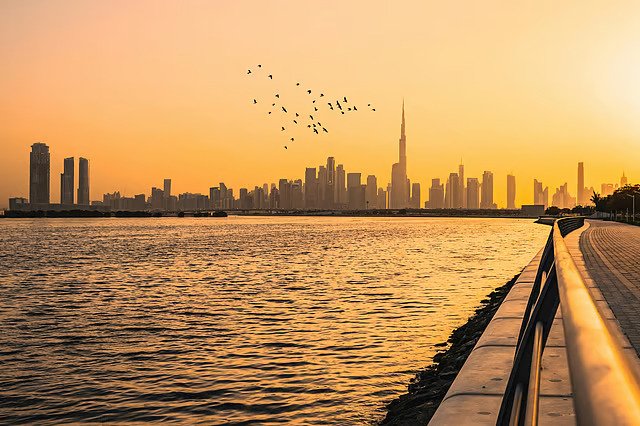
From the Dubai Creek to Jebel Ali Port, and from the first hospital to the World Trade Centre, Sheikh Rashid’s fingerprints are everywhere. His belief in planning beyond his lifetime gave Dubai the momentum to become a world capital of progress and innovation.
Thirty-five years on, his son His Highness Sheikh Mohammed bin Rashid Al Maktoum, the current Ruler of Dubai, continues to advance that same vision — a legacy of ambition built on wisdom, humanity, and hope.
As Dubai looks toward the future, Sheikh Rashid’s spirit remains woven into the city’s fabric — a constant reminder that great cities are not built by chance, but by the vision of those who dare to dream far ahead.
Short Summary:
Thirty-five years after his passing, Sheikh Rashid bin Saeed Al Maktoum’s visionary leadership remains the foundation of Dubai’s success. His foresight in infrastructure, governance, and unity transformed a small Gulf town into a world-renowned metropolis — and his values continue to guide the UAE’s future.
Related News