
New UAE highway plan unveiled to cut traffic, boost road capacity
UAE Unveils Dh170 Billion Mega Highway Plan to Ease Traffic and Boost Connectivity
The UAE government has announced a sweeping Dh170 billion national transport and road development plan, aimed at transforming the country’s mobility landscape by 2030. The initiative, unveiled by Suhail Al Mazrouei, Minister of Energy and Infrastructure, focuses on easing congestion, expanding major highways, and improving public transport links across all emirates.
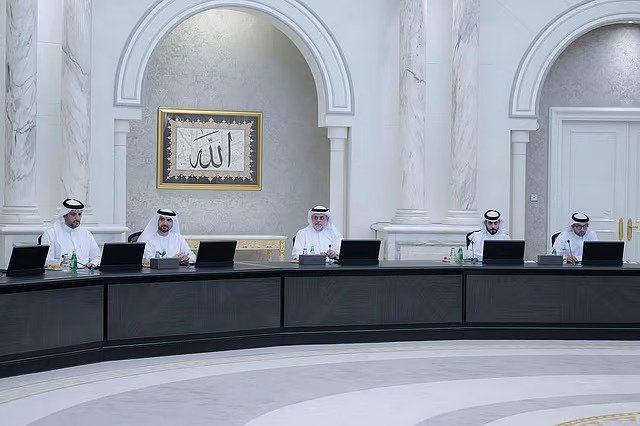
Speaking at the UAE Government Annual Meetings in Abu Dhabi, Al Mazrouei described the plan as part of a broader national strategy to create a smart, sustainable, and efficient transport network that meets the needs of the country’s growing population and economy.
A Nationwide Upgrade in Motion
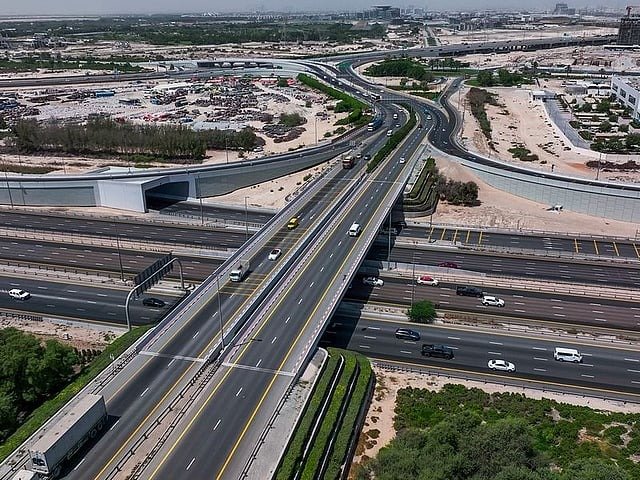
The UAE’s new transport blueprint includes major expansions of the country’s busiest highways, along with a study for a brand-new federal road to further connect key regions.
Here’s what’s planned:
Etihad Road (E11): To be expanded by six lanes — three in each direction, increasing capacity by 60% and bringing the total to 12 lanes.
Emirates Road (E611): Will be widened to 10 lanes throughout its entire stretch, boosting capacity by 65% and cutting travel times by 45%.
Sheikh Mohammed bin Zayed Road (E311): To be expanded to 10 lanes, enhancing overall capacity by 45%.
New Federal Highway: A proposed 120-kilometer-long corridor featuring 12 lanes, capable of handling up to 360,000 vehicle trips per day.
Once completed, the comprehensive development plan aims to increase federal road efficiency by 73% within the next five years. The total number of highway lanes across federal roads will rise from 19 to 33 lanes in each direction, dramatically improving capacity and traffic flow.
Construction Already Underway
Al Mazrouei confirmed that work has already begun on upgrading Emirates Road, a key artery linking several emirates. The project, estimated at Dh750 million, is scheduled for completion within two years.
This upgrade marks the first phase of the government’s long-term road improvement program, which will progressively address other major routes nationwide.
Why the Plan Matters
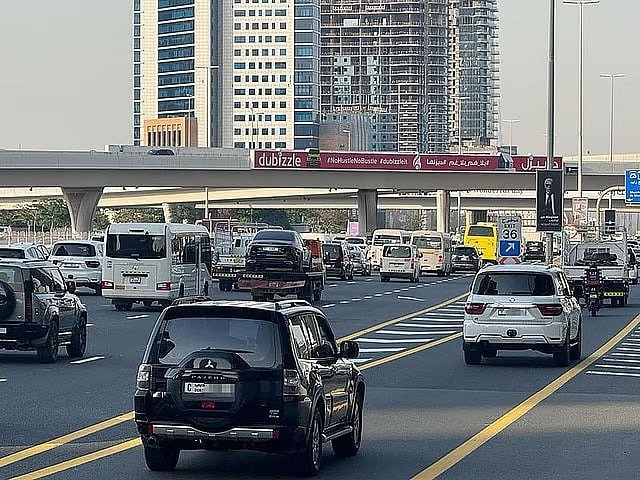
The transport overhaul comes as the UAE faces a sharp rise in road traffic. Al Mazrouei revealed that the number of vehicles on UAE roads has been increasing by more than 8% annually, compared to the global average of just 2%.
The growth reflects rapid urbanization, population expansion, and the country’s strong economic performance — but it also poses mounting challenges in terms of congestion, safety, and sustainability.
The new plan is designed to alleviate traffic bottlenecks, reduce travel times between emirates, and support the UAE’s Centennial 2071 vision, which prioritizes quality of life and sustainable urban development.
Tackling Congestion: The Main Priority
“Addressing traffic congestion is a central issue and a national priority for the UAE’s federal and local entities,” Al Mazrouei said.
He noted that the ministry is coordinating closely with local authorities to implement new traffic policies, road safety regulations, and intelligent transport systems that promote better integration between highways and public transit.
The strategy focuses on:
Encouraging public transport use to reduce dependence on private cars.
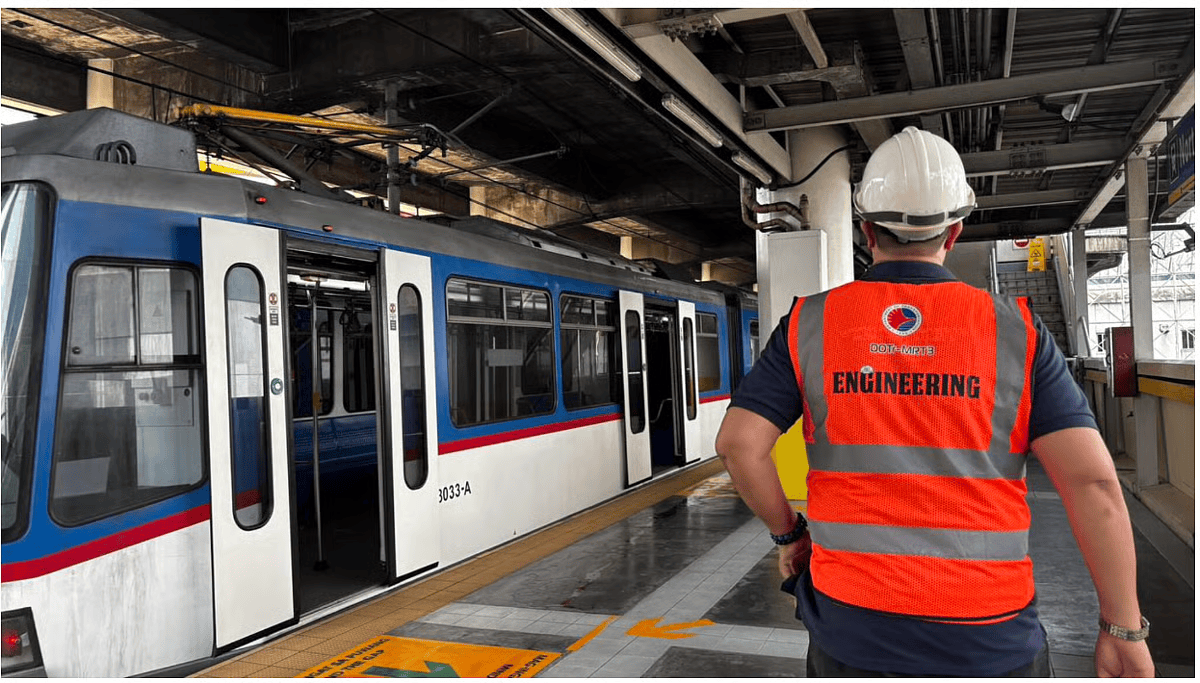
Integrating transport networks to allow smoother movement between road, rail, and future high-speed systems.
Adapting traffic management policies to match the UAE’s rapid urban growth.
Developing flexible and sustainable mobility options, including smart shuttles, electric buses, and future rail links.
The Bigger Picture: Smart, Sustainable Mobility
The new road plan isn’t just about wider highways — it’s about building a smarter transport ecosystem. Alongside the road expansions, the ministry is working on:
High-speed and light rail projects, connecting major cities and economic hubs.
Data-driven traffic systems that use sensors and AI to manage congestion in real time.
Eco-friendly infrastructure, supporting electric vehicles and sustainable construction materials.
These projects are expected to support the UAE’s transition toward a low-emission transport system while maintaining the country’s reputation for world-class infrastructure.
The Causes of Rising Congestion
Al Mazrouei highlighted several key contributors to traffic pressure:
Heavy reliance on private vehicles.
Overlapping school and work schedules.
Continuous population and economic growth in major cities.
He stressed that addressing these issues requires a unified national approach, balancing infrastructure expansion with behavioral and regulatory solutions.
Looking Ahead: A Roadmap to 2030
By 2030, the UAE’s expanded and upgraded road network is expected to deliver:
Faster inter-emirate travel times.
Reduced congestion during peak hours.
Higher road safety standards.
Better integration with new public transport systems.
Ultimately, the Dh170 billion investment is part of a long-term vision to ensure the UAE remains among the world’s best-connected and most livable nations, setting a new standard for smart, sustainable mobility.
Related News