
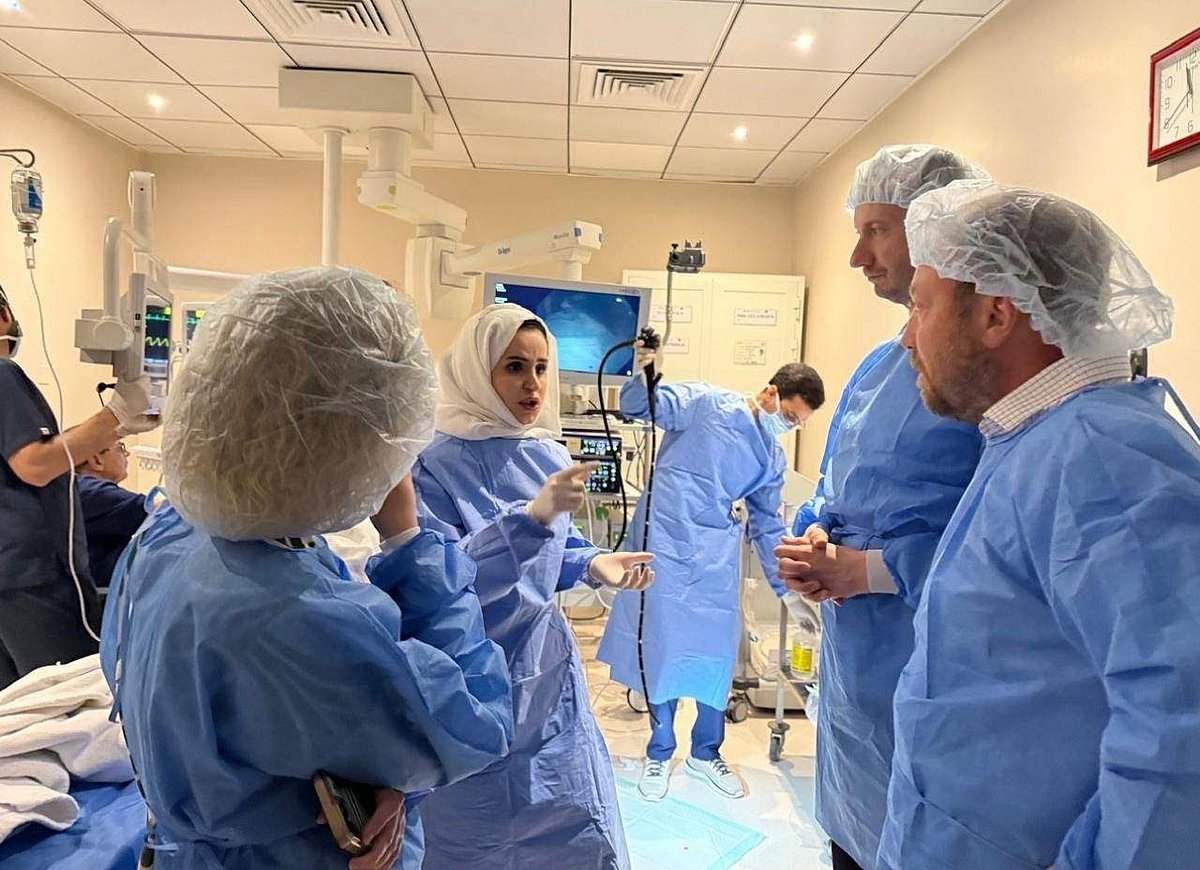
Trailblazing Emirati Doctor Leads Bariatric Surgery Innovation
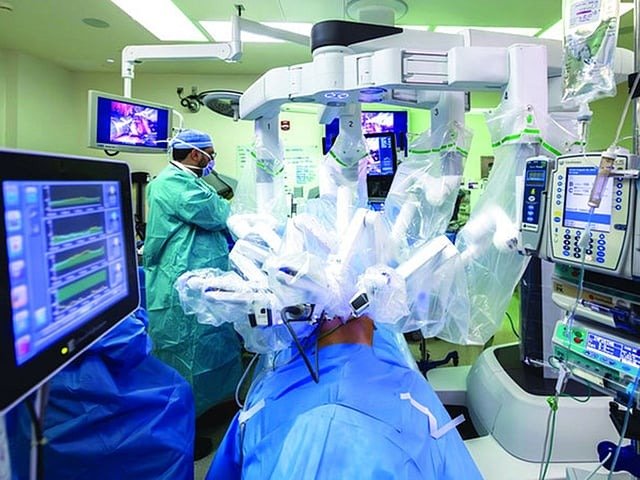
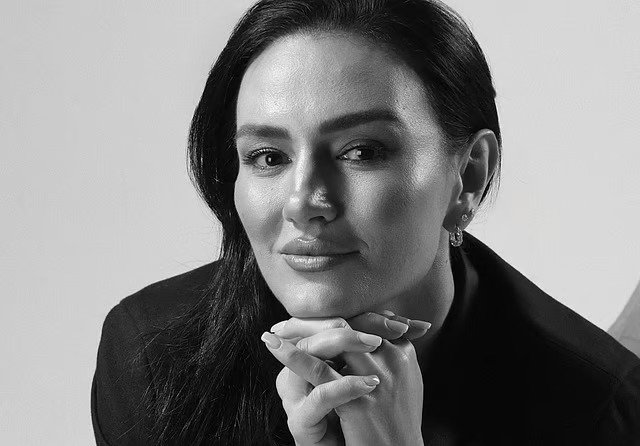
Ras Al Khaimah, September 29, 2025 — In a milestone for the UAE’s medical field, Dr. Mariam Salem Al Khatri, Head of the Endoscopy and Gastroenterology Department at Ibrahim Obaidullah Hospital, has emerged as the country’s first Emirati doctor to specialise in laparoscopic bariatric surgery. With more than 800 procedures under her belt, she has positioned herself at the forefront of obesity treatment, combining advanced clinical expertise with a compassionate, patient-centered philosophy.
A Journey of Dedication and Specialisation
Dr. Al Khatri’s medical path began at Dubai Medical College, where she earned her degree in Internal Medicine and Surgery. Driven by a passion for advanced medical practice, she pursued a Master’s in Gastroenterology from a British university, followed by a sub-specialisation in endoscopic retrograde cholangiopancreatography (ERCP) at the Catholic University of Rome.
Though she initially aspired to specialise in liver surgery, her interest shifted toward gastrointestinal endoscopy — a minimally invasive discipline that eventually guided her toward laparoscopic bariatric surgery, a field that balances surgical expertise with long-term patient care.
Inside Laparoscopic Bariatric Surgery
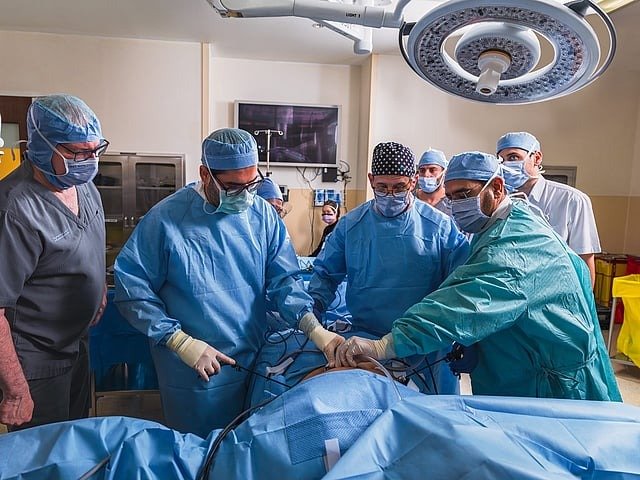
At Ibrahim Obaidullah Hospital, laparoscopic bariatric procedures are offered under the Emirates Health Services. Dr. Al Khatri explains that candidates typically have a BMI between 30 and 40, and the approach is carefully tailored to each patient. Options include gastric sleeve, gastric plication, or intragastric balloon placement.
“For patients unwilling or unable to undergo major procedures like sleeve gastrectomy or bypass, laparoscopic bariatric surgery can be a transitional option,” she said. “It helps them reduce weight safely before more invasive surgery, lowering surgical and anesthesia risks.”
Lifestyle Change Before and After Surgery
Dr. Al Khatri stresses that bariatric surgery is never a “quick fix.” Patients are required to lose some weight before surgery to demonstrate commitment to long-term change. “This ensures they don’t rely solely on the procedure,” she explained. “Surgery is just a tool — the real success comes from lifestyle adjustments.”
Post-surgery, patients follow a phased nutritional program under the supervision of a multidisciplinary team that includes dietitians, psychologists, and fitness experts. “Treating obesity is not only about surgery,” she emphasized. “It’s about adopting an entirely new way of life.”
Obesity: Medical Necessity, Not Cosmetic Concern
Dr. Al Khatri is clear that obesity is not a cosmetic issue, but a chronic disease tied to conditions such as diabetes, hypertension, cardiovascular disease, and sleep apnea. “Cosmetic treatments may complement weight loss,” she explained, “but they cannot replace medical interventions for obesity.”
She added that the average success rate for patients undergoing bariatric surgery is 20–25% body weight loss within a year, often accompanied by improvements in overall health and management of related conditions.
Traditional and Modern Approaches
While newer methods such as medications and injections show promise, Dr. Al Khatri warns against overreliance. “Results often fade once treatment stops, and long-term safety studies remain limited,” she said. Gastric banding, once popular, has largely been abandoned worldwide due to complications.
Instead, she advocates for combining medical treatments with lifestyle changes to ensure sustainability. “Any obesity intervention will only be temporary unless the patient adopts lasting changes in diet and activity.”
Advice for the Next Generation
Beyond her surgical achievements, Dr. Al Khatri is passionate about prevention. She urges young people to adopt healthier habits early:
Follow a balanced diet and avoid excess junk food and sugary drinks.
Stay active with regular exercise, drawing inspiration from UAE leaders like Sheikh Hamdan bin Mohammed bin Rashid, known for his commitment to fitness.
Recognise obesity as a chronic disease requiring early monitoring.
Treat the body as a trust, nurturing it for long-term well-being.
“Our leadership’s support for public health and fitness sends a powerful message,” she concluded. “Prevention is a collective responsibility — one that starts with the individual but is strengthened by the nation.”
A Role Model for Emirati Medicine
With her pioneering role in laparoscopic bariatric surgery, Dr. Mariam Al Khatri is not only transforming healthcare in the UAE but also inspiring a new generation of Emirati doctors. Her work demonstrates that advanced medical care goes beyond technology — it requires compassion, collaboration, and a vision for healthier communities.
Related News