
US Strike on Suspected Pacific Drug Boat Sparks Outcry as Death Toll Climbs to 87
A fresh US military strike on a suspected drug-trafficking vessel in the eastern Pacific Ocean has killed four individuals, raising the death toll from Washington’s expanding anti-narcotics campaign to 87. The operation, conducted on Thursday, deepened the political and legal controversy surrounding the Biden–Trump transitional administration’s approach to combating narco-trafficking in international waters.
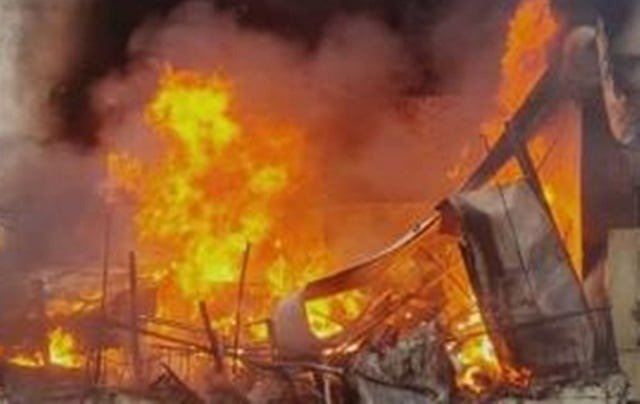
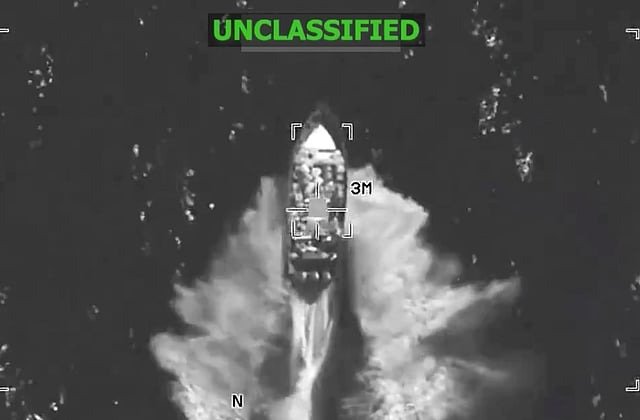
According to US Southern Command (Southcom), the targeted vessel was operated by what the United States classifies as a Designated Terrorist Organization, and intelligence reports indicated it was transporting illegal narcotics along a well-known trafficking corridor. Southcom released a brief video clip showing a high-speed boat racing across the water before an airstrike ignited it into a massive fireball. Officials said all four men aboard were “narco-terrorists.”
A Growing Controversy Over Rules of Engagement
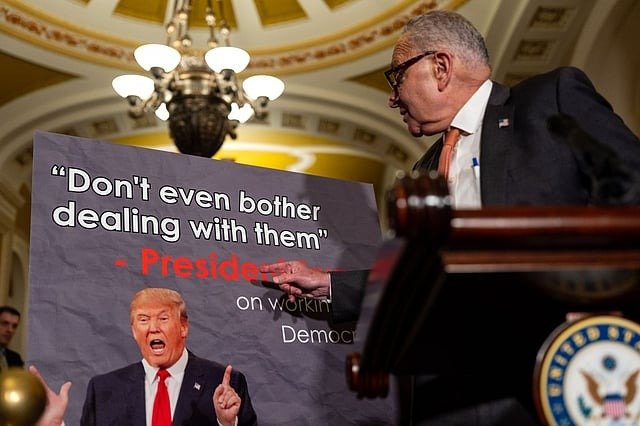
The latest strike comes amid an intensifying political dispute in Washington over the legality and ethics of the US military's anti-drug operations. Criticism has sharply escalated following a widely condemned September incident in which US forces attacked two survivors clinging to the wreckage of a previously targeted vessel — an action that some lawmakers and analysts say may constitute a war crime.
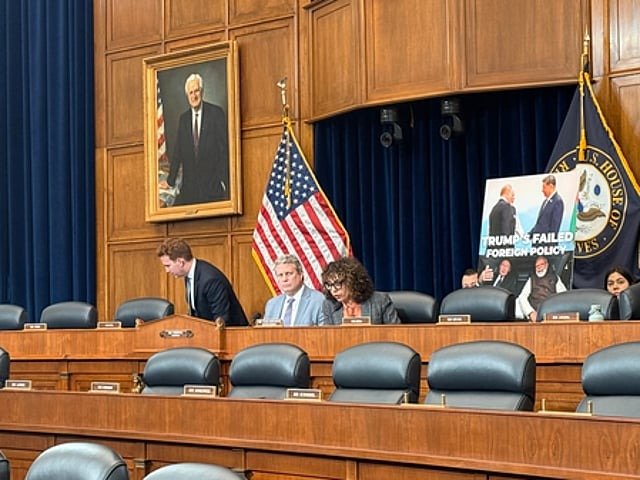
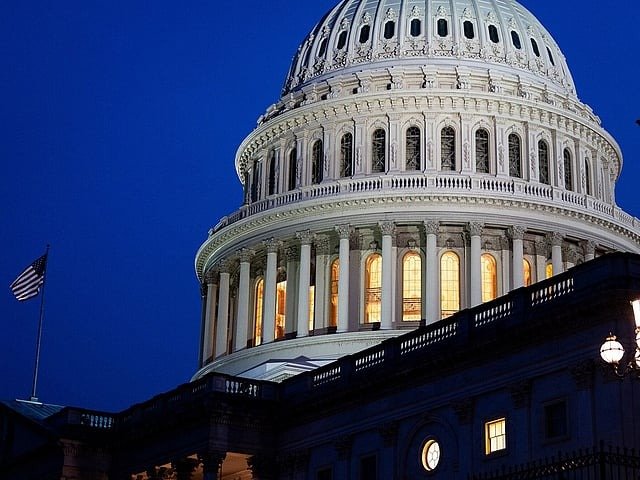
On Thursday, a classified Congressional briefing showed lawmakers an extended, unreleased portion of the strike footage. Reactions from those who viewed the material underscored deep divisions.
Representative Jim Himes, the top Democrat on the House Intelligence Committee, described the footage as “one of the most troubling things I’ve seen in my time in public service.” He said it showed “the United States military attacking shipwrecked sailors… individuals in clear distress without any means of locomotion.”
He made clear that—even if the victims were criminal suspects—international law and the rules of armed conflict do not permit lethal force against non-threatening survivors.
Questions Over ‘Imminent Threat’
Republican Representative Don Bacon expressed similar concerns. Speaking on CNN, he said the footage showed “two people trying to survive,” noting that US military rules would not allow strikes on individuals who do not pose an imminent threat.
“Our rules of war would not allow us to kill survivors,” Bacon said. “I think we can say they did not pose an imminent threat to our country.”
However, not all Republican lawmakers condemned the strike. Senator Tom Cotton, who also attended the briefing, defended the operation. He said all September 2 strikes were “entirely lawful,” claiming the survivors were attempting to right their overturned boat “to stay in the fight.”
This stark contrast in interpretations highlights the broader debate over whether the US is engaged in a traditional law-enforcement mission or, as some officials argue, an armed conflict against so-called “narco-terrorists.”
Pressure Mounts on US Defense Leadership
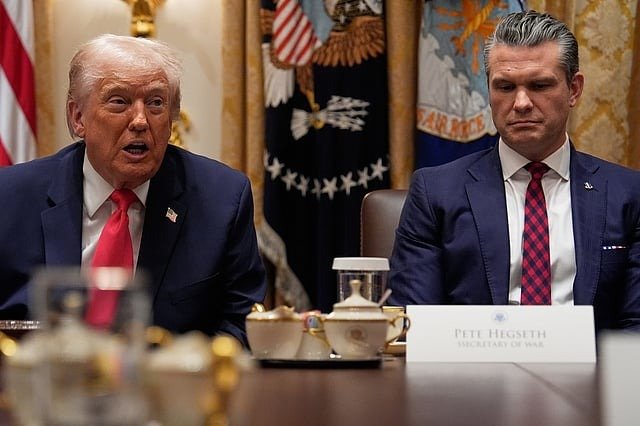
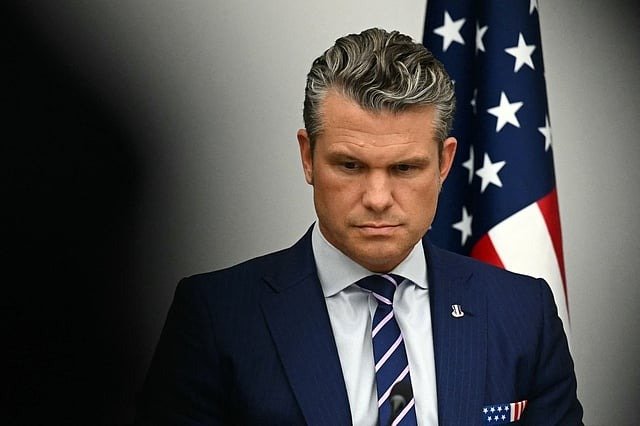
Public scrutiny has also turned toward Defense Secretary Pete Hegseth, though both the White House and Pentagon have attempted to shift responsibility to Admiral Frank Bradley, who oversaw the strike sequence. Bradley reportedly told lawmakers that Hegseth did not issue direct orders to eliminate all survivors. Still, several members of Congress maintain that ultimate accountability must lie with the Secretary of Defense.
Republican lawmakers emphasized the chain-of-command principle, with Bacon noting that Hegseth “is ultimately responsible because he’s the secretary of defense.”
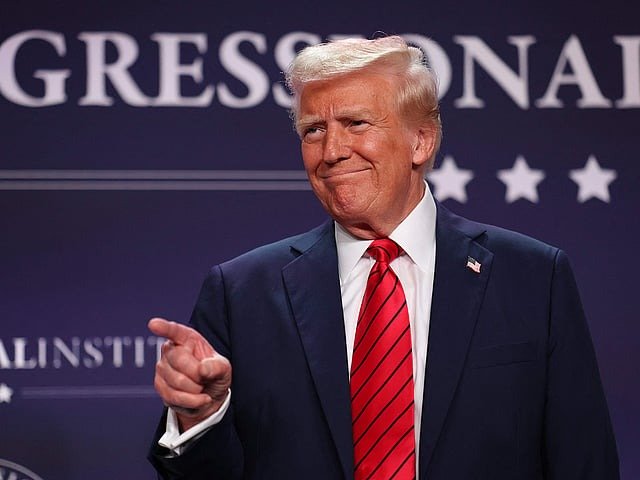
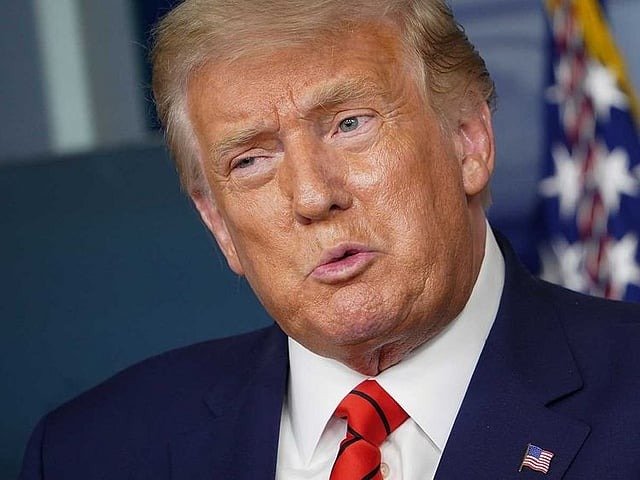
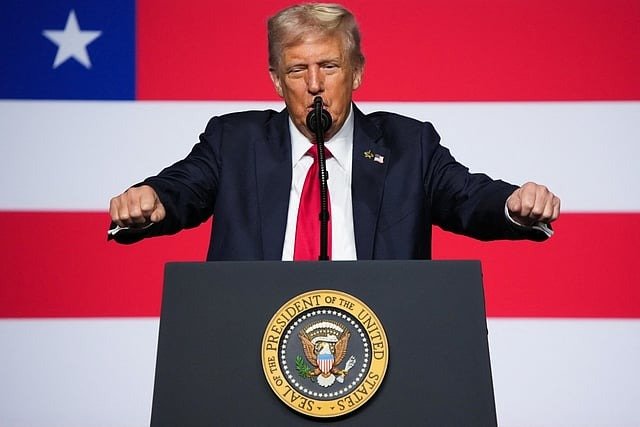
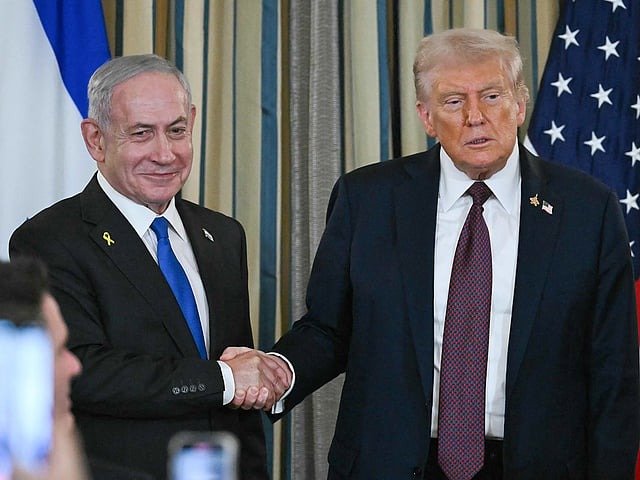
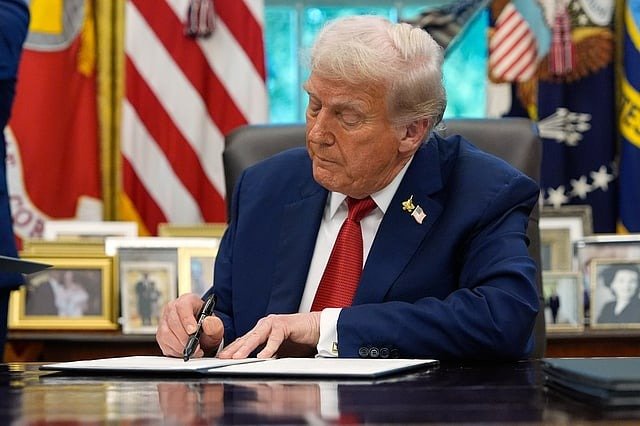
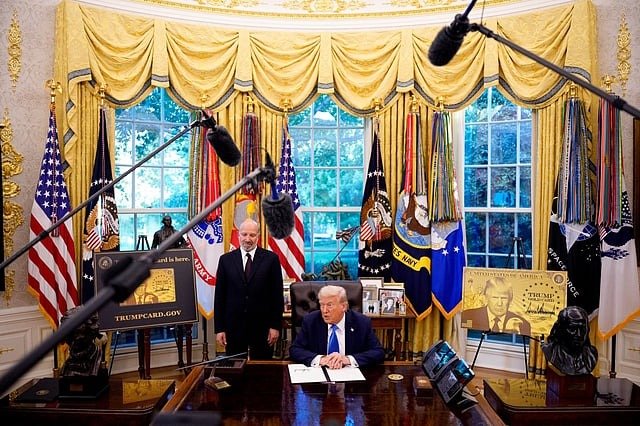
The controversy has broader implications for US foreign policy and regional stability. President Donald Trump’s administration has long insisted that the US is “effectively at war” with narco-terror networks and has deployed significant military assets — including the world’s largest aircraft carrier — to the Caribbean in the name of counter-narcotics operations.
Regional Tensions Rise
The aggressive strategy has heightened diplomatic tensions, especially with Latin American nations. Venezuela's President Nicolás Maduro accused Washington of using drug enforcement as a pretext to “impose regime change” in Caracas, further inflaming political hostilities between the two countries.
As regional anxieties grow and US lawmakers continue demanding accountability, the debate over Washington’s anti-drug campaign shows no sign of easing. With the death toll now at 87, calls for transparency, legal scrutiny, and revised rules of engagement are set to intensify in the coming weeks.
Related News