
Why Hunger Is Rising Worldwide in an Age of Plenty
The world is facing a growing paradox: hunger is spreading at an alarming pace even though global food production has never been higher. Despite possessing the resources and technology to feed everyone, millions of people are now edging closer to famine due to a destructive mix of conflict, climate disruption, economic stress, and declining international aid.
Food insecurity is no longer limited to isolated regions. It has become a widespread global challenge that undermines stability, fuels social unrest, and deepens inequality. According to recent estimates, around 720 million people are currently affected by hunger, with children bearing the heaviest burden. Malnutrition during early life restricts physical growth and cognitive development, leaving long-lasting consequences well into adulthood.
The situation is projected to worsen. The World Food Programme (WFP) estimates that 318 million people could face hunger in 2026, more than double the number recorded in 2019. Yet funding for humanitarian assistance is failing to keep pace. Current resources are expected to cover only about half of global needs, placing aid for roughly 110 million people at risk and creating a funding gap of approximately $13 billion.
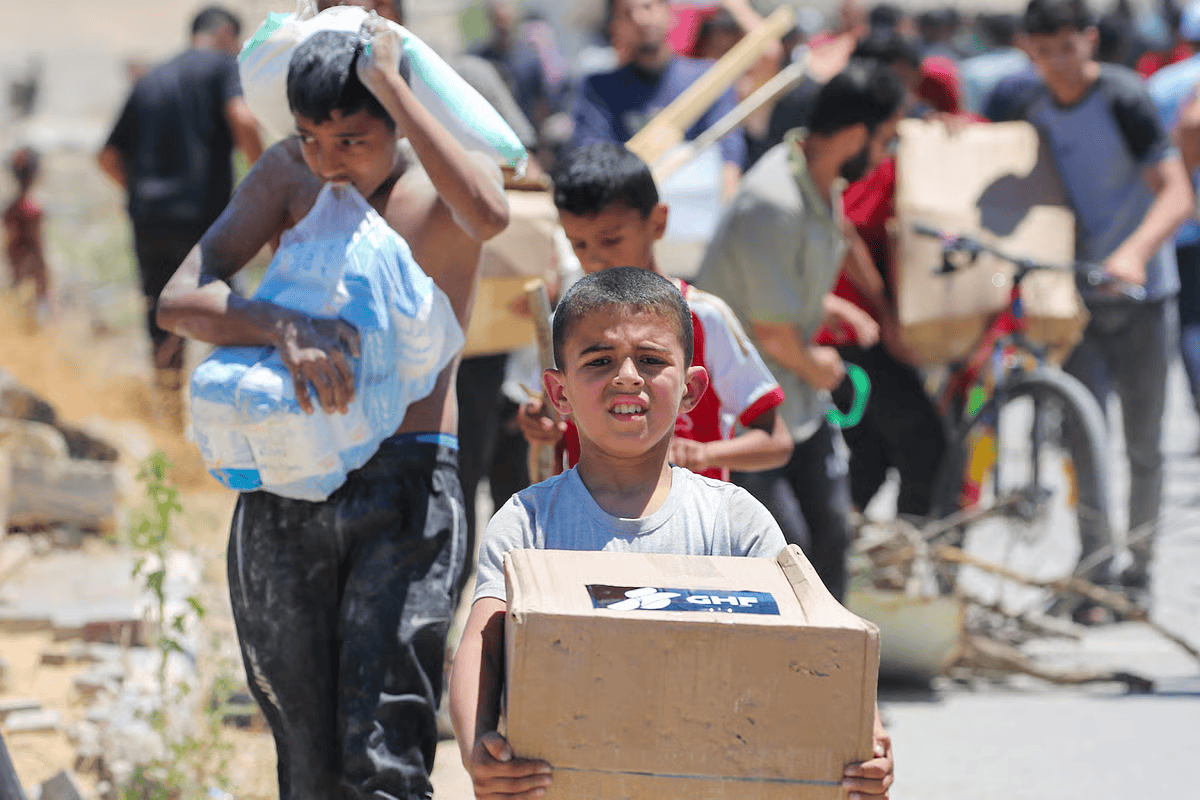
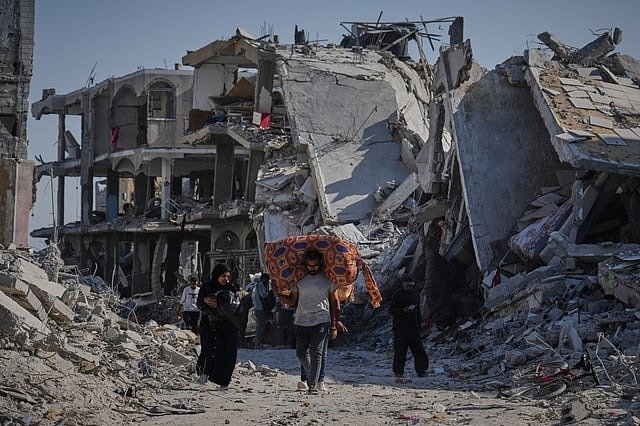
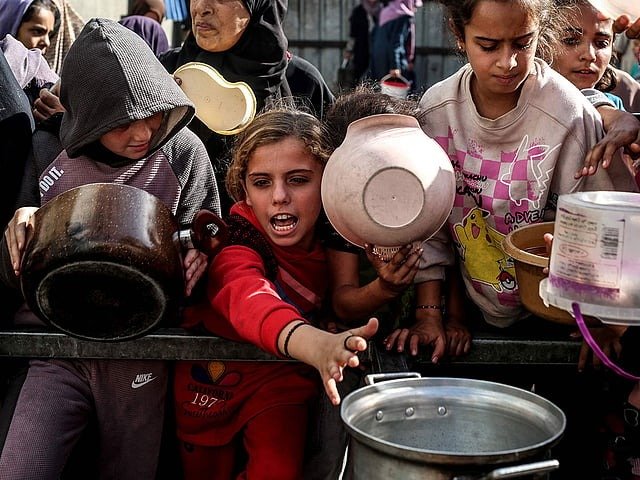
In regions like the Middle East and parts of Africa, the crisis is already unfolding in devastating ways. Active conflicts have triggered simultaneous famine threats, including in Gaza and parts of Sudan, where civilians face severe food shortages amid violence and displacement.
As the world moves deeper into the 21st century, progress toward ending poverty — one of the core goals of the Sustainable Development Agenda — has stalled. Instead of declining, hunger is expanding. Ending it requires consistent global commitment, but international support is weakening. The United States, historically the largest donor to the WFP, reduced foreign assistance in recent years, and other major donor nations have also scaled back contributions, further straining humanitarian responses.
The WFP remains a lifeline for populations affected by conflict, disasters, and forced displacement. Alongside emergency food aid, it invests in long-term solutions that strengthen local resilience. While the organisation helped prevent famine in several regions in 2025, outlooks for 2026 remain grim. Funding is expected to decline by nearly 40 percent, dropping to an estimated $6.4 billion, compared with $10 billion in 2024.
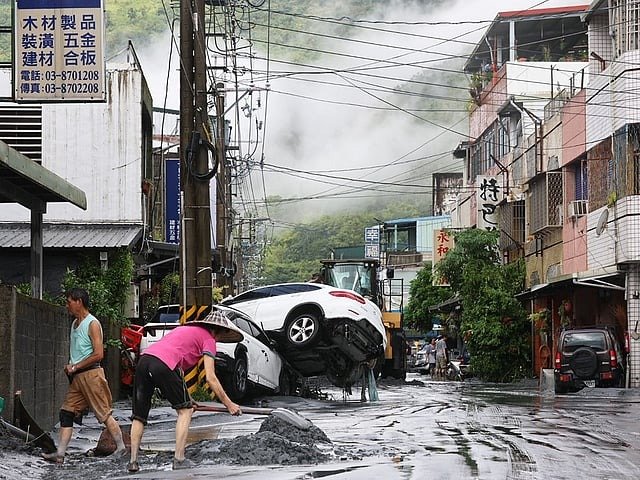
The reasons behind rising hunger are complex but clear. In the past century, drought was the principal driver of famine. Today, hunger is increasingly shaped by armed conflict, climate change, and economic marginalisation. Data from Uppsala University shows that the number of armed conflicts worldwide rose from 46 in 2014 to 61 in 2024, disrupting food production, displacing communities, and cutting access to markets.
Poverty sits at the heart of the crisis. When people lack income, they cannot secure sufficient or nutritious food, even when supplies exist. Conflict-driven displacement worsens this, forcing millions into camps or host communities where resources are limited. Importantly, the hunger crisis is no longer confined to low-income states — it is a global threat that demands a coordinated global response.
Ironically, technological advances have made mass hunger unnecessary. According to the Food and Agriculture Organisation (FAO) and the UN Environment Programme, reducing food waste alone could enable the world to feed nearly 10 billion people — roughly two billion more than the current global population.
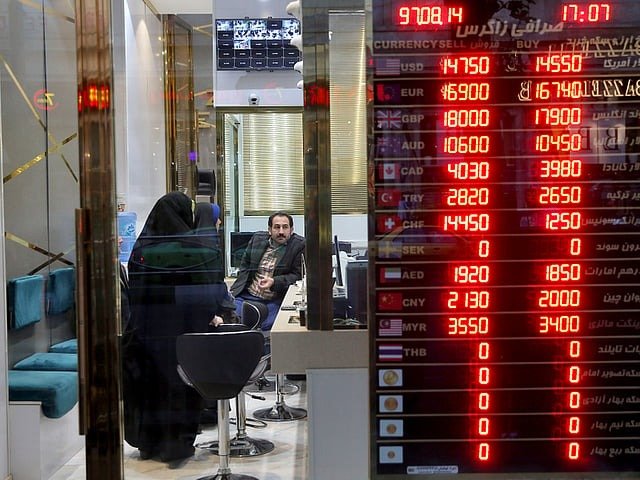
However, economic fragility continues to widen the gap between abundance and access. Nearly half of low-income countries are either in debt distress or at high risk of it. Governments burdened by debt are forced to prioritise repayments over spending on food security, health, education, and agricultural investment. Today, three billion people live in countries that spend more on interest payments than on healthcare or education, intensifying inequality and hunger.
The Arab region exemplifies the scale of the challenge. An estimated 198 million people there face moderate or severe food insecurity — the highest level recorded in more than two decades. Addressing this crisis requires strengthening local food systems, investing in sustainable agriculture, expanding employment opportunities, and increasing public awareness of nutrition and food security.
Political decisions play a decisive role. Long-term solutions depend on promoting peace, addressing the root causes of conflict, and investing in climate adaptation and resilient food systems. Global emergencies such as the COVID-19 pandemic exposed vulnerabilities in food supply chains, while the Russia–Ukraine war disrupted global supplies of wheat, corn, and edible oils, compounding shortages before international coordination helped stabilise markets.
Hunger is both a cause and a consequence of conflict. Competition over scarce resources can intensify tensions between displaced populations and host communities, while underinvestment in food security raises humanitarian costs and instability over time. Investing in food systems is not only a moral obligation but an economic necessity, far cheaper than managing the fallout of neglect.
To reverse the trend, governments, international institutions, and the private sector must expand humanitarian funding, strengthen social protection systems, and invest in smart agriculture and rural development. Blended financing models and global scientific cooperation can help protect the most vulnerable regions and steer the world toward stability — rather than deeper crisis.
Related News